

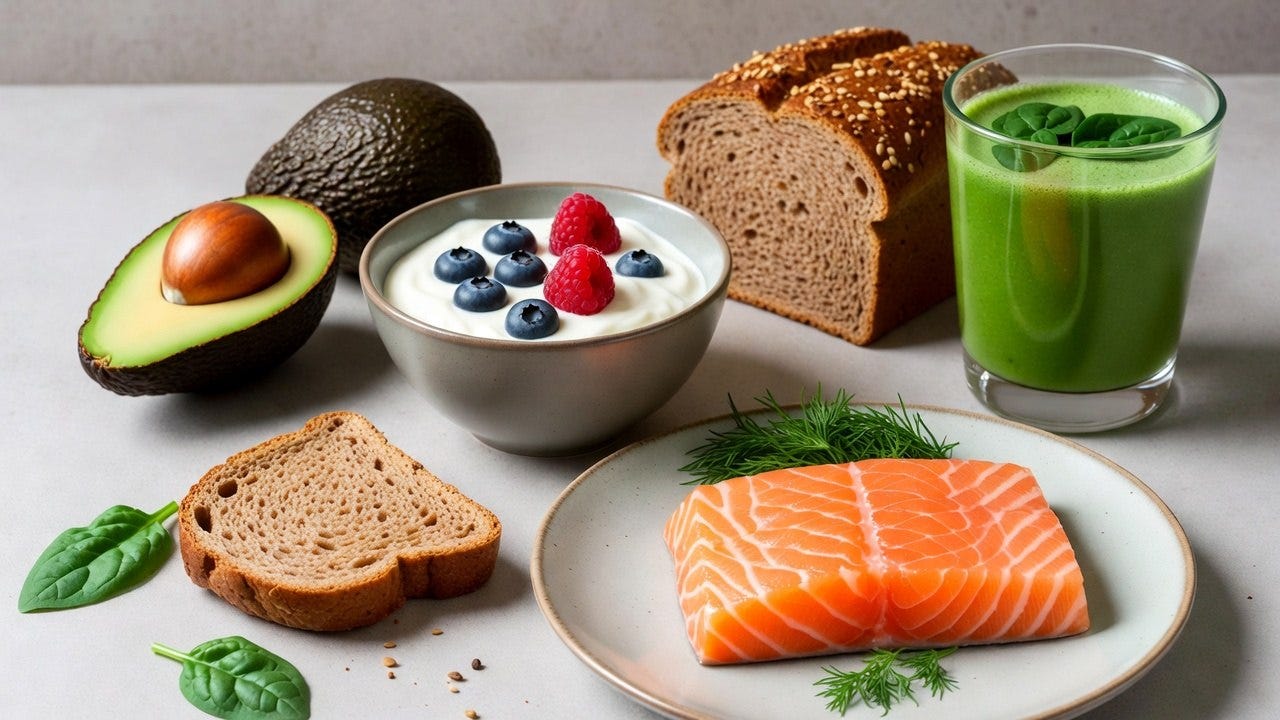
Imagine your body as a bustling city — every second, tiny workers (your cells) hustle to keep everything running smoothly. They fix damage, rebuild tissues, and maintain balance. But like any hardworking crew, they need the right tools and fuel. Without them, the city slows, rust builds up, and your body shows the wear. That’s where food comes in. Not just calories — but nutrients that literally help cells repair, regenerate, and defend against everyday wear and tear. 🥦🍇🔥
In this guide, we’re going deeper than vague “eat healthy” advice. We’re talking about specific foods backed by science that help your cells do what they do best — heal, protect, and thrive. And guess what? You probably already love these foods. 🍽️
1. Berries — Tiny but Terrific 💜
Berries are like little shields you can eat. They’re small, colorful, and packed with antioxidants — plant compounds that swoop in to neutralize free radicals, the unstable molecules that damage cells over time. Berries’ vivid pigments (think blueberries, strawberries, raspberries) mean they’re especially rich in anthocyanins and flavonoids — the superhero defenders for your cellular walls and DNA. Daily berry intake has been shown to reduce oxidative stress and inflammation, two drivers of cellular aging. 🍓✨
Eat them in cereal. Toss them in salads. Sneak them into smoothies. No matter how you do it, your cells will thank you.
👉 Pro tip: Frozen berries are just as good as fresh, and usually cheaper.
2. Cruciferous Veggies — The Detox Masters 🥦
Broccoli, kale, cauliflower, and Brussels sprouts deserve more love than they get. These cruciferous veggies contain sulforaphane — a compound that flips on your cells’ own detox and repair genes, helping them clear out harmful toxins and regenerate more efficiently. They also offer a bounty of vitamins C and K, folate, and fiber — all essential for cellular function.
Here’s the cool part: sulforaphane doesn’t just protect — it trains your cells to be better at their jobs. Think of it as a workout for your microscopic repair teams.
💡 Quick idea: Lightly steaming these veggies keeps nutrients intact and makes them easier to digest.
3. Fatty Fish — Omega-3 Powerhouse 🐟
Not all fats are created equal, and the omega-3 fats in fish like salmon, sardines, and mackerel deserve front-row seats at your dinner table. These long-chain fats (especially DHA and EPA) are critical parts of cell membranes. They help keep those membranes flexible, responsive, and resilient — which is key for cellular signaling, repair, and even brain function.
Omega-3s also dial down chronic inflammation, giving your cells breathing room to heal instead of constantly being under attack.
🍣 Serving suggestion: Aim for two servings of fatty fish per week. Grilled, roasted, or baked — all work.
4. Garlic — The Pungent Protector 🧄
Garlic might make your breath bold, but it makes your cells even stronger. It’s rich in allicin and other sulfur compounds that have powerful antioxidant and anti-inflammatory effects. These compounds help protect cells from oxidative damage and support circulation — meaning nutrients get where they need to go faster.
Scientific reviews and traditional wisdom align on this: regular garlic use supports immune function and may even help with detox pathways that keep cells healthier over the long haul.
✨ Kitchen hack: Crush or chop garlic and let it sit for 10 minutes before cooking — it boosts allicin’s potency.
5. Avocados — Creamy Cellular Care 🥑
Butter? Yum. Avocado? Smart. These green gems are full of monounsaturated fats and antioxidants like vitamin E, which protect cell membranes and help fight inflammation. Their healthy fats also enhance the absorption of other nutrients — kind of like a nutrient delivery system.
Avocados also pack fiber and potassium, supporting gut health and fluid balance — both of which matter for healthy cells and overall function.
👉 Favorite way to enjoy: on toast, in salads, or mashed into guacamole with a squeeze of lime.
So… What’s the Takeaway?
You don’t need a drawer full of supplements. Real food — everyday food — gives your body the building blocks it needs to support cellular repair naturally. 🫶
Here’s the bottom line:
Antioxidants from berries and greens protect DNA from damage.
Healthy fats from fish and avocados keep cell membranes strong.
Bioactive compounds in garlic and crucifers trigger your cells’ own defense systems.
They work together, not in isolation. Eat a rainbow. Mix textures. Make your meals a celebration your cells look forward to. 🍇🌱🐟🥑
Also read: 6 Foods Longevity Scientists Eat Every Week (And Why You Should Too)
Food for Thought 🧠
What’s one food on this list you could add today? Can you make a small swap — like berries instead of processed snacks, or salmon instead of steak? Small changes, big cellular impact.
Try one this week, and watch how your body — at the microscopic level — gets a little stronger, a little happier, and a lot more resilient. 💥