

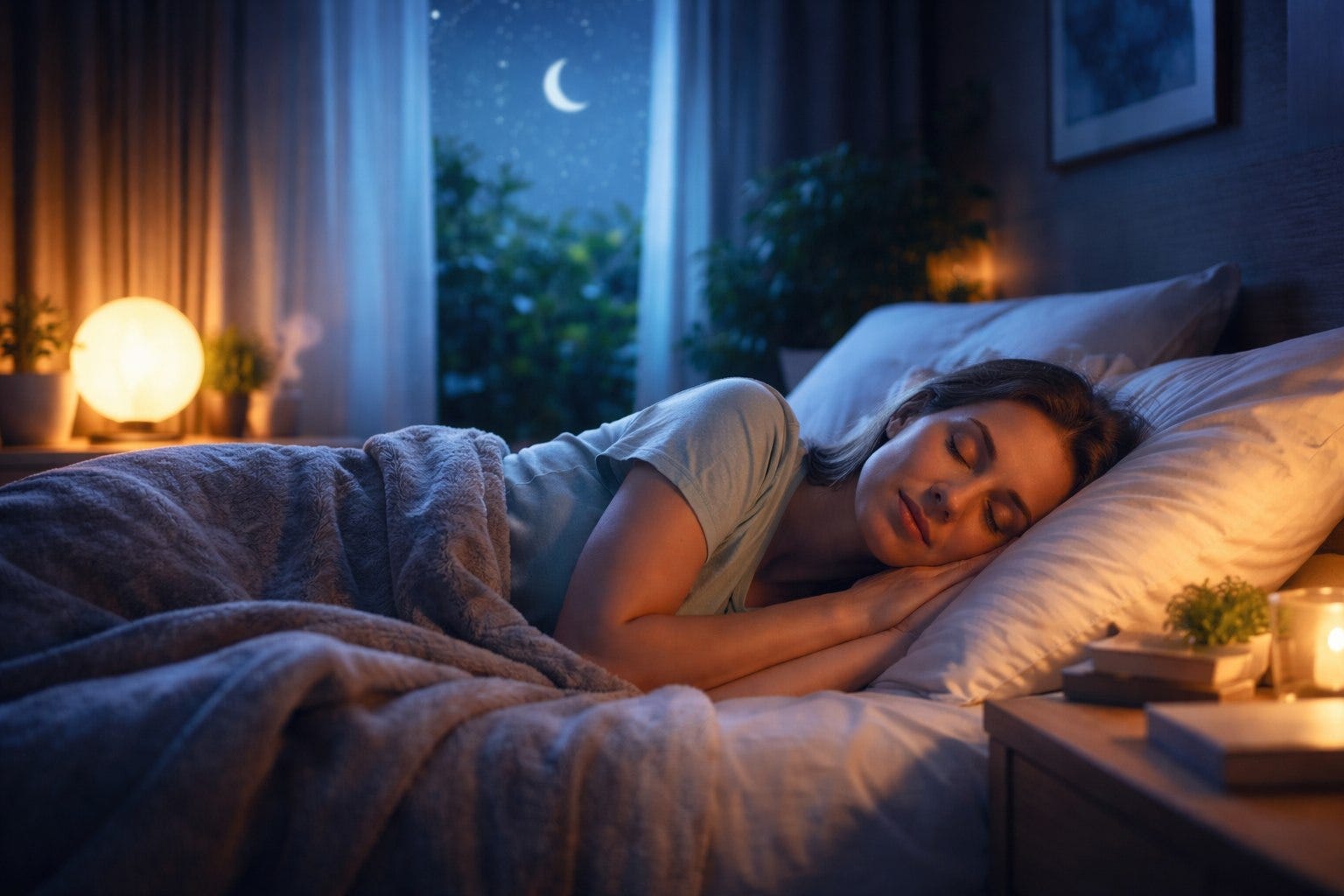
You might think sleep is just that thing you do between Netflix episodes or after a late-night snack raid… but science is very clear: how you sleep — not just how long — profoundly shapes how long and how well you live. 🧠💪
Recent research links insufficient or poor-quality sleep to accelerated brain aging, inflammation, and a shorter life expectancy overall. Getting the right kind of rest isn’t luxury — it’s longevity insurance.
Let’s break it down into five smart, science-backed ways to upgrade your sleep — and by extension, your healthspan and lifespan.
1. Build a Sleep Rhythm Your Body Actually Likes 🕰️
Here’s a truth bomb: your body runs on a clock — the circadian rhythm — and ignoring it is like trying to sprint through molasses. Sleep quality, hormone cycles, energy, even metabolism — they all hinge on consistent timing.
Aim to go to bed and wake up at the same time every day — yes, even on weekends. This predictable schedule reinforces your internal clock, helping you fall asleep faster, stay asleep more soundly, and wake up refreshed without an alarm.
💡 Pro tip: Set your wake-up time first, then count backward 7–9 hours (that’s the sweet spot most adults need). Your body likes predictability — give it one.
CTA: Try setting a consistent bedtime for 14 days. Notice whether you wake up easier without that snooze button battle.
2. Turn Your Bedroom Into a Sleep Sanctuary 🛏️
Ever notice how serene bedrooms — cool, dark, quiet — make sleep easier? That’s not just vibes; it’s biology. Your body temperature dips at night to help induce sleep. Too hot or too noisy? Zzz’s become elusive.
Here’s what really works:
✨ Keep the room cool (about 18–22°C/65–72°F)
✨ Ditch bright lights and screens before bed
✨ Block sound with white noise or earplugs
✨ Make your bed only for sleep (not scrolling)
Simple environmental adjustments like these can remove micro-awakenings and deepen the rest you get.
CTA: Tonight, turn off screens 60 minutes before bed and lower the thermostat. See if you fall asleep faster.
3. Master Your Daily Habits for Nightly Gains ☀️🏃♂️
Sleep isn’t an isolated act — it’s a rhythm we build all day long.
Get outside early for natural light. Daylight anchors your circadian rhythm, signaling your body when to sleep.
Move your body regularly. Exercise boosts natural sleep hormones and reduces the time it takes to fall asleep.
Watch your food and drinks: Avoid caffeine and nicotine late in the day; heavy meals near bedtime can disrupt sleep.
Eating certain foods — like bananas, cherries, and kiwis — might even support natural melatonin production, which helps you drift off more easily. 🍒🍌🥝
This is why sleep isn’t just a “night thing” — it’s a whole day thing.
CTA: Try daylight exposure first thing in the morning for 15–30 minutes this week.
4. Remodel Your Pre-Sleep Ritual 🧖♀️📚
Your brain doesn’t flip a switch when you lie down — it winds down. That process matters. Switch from screens and stress to soothing cues like reading a book, stretching gently, or taking a warm shower.
Why does this work? Artificial blue light from phones suppresses melatonin, that sleep-inducing hormone your brain craves. Cutting your screen time before bed literally helps your nervous system relax into sleep.
Create a 20–30 minute pre-sleep ritual that tells your nervous system, “Hey, we’re winding down now.” Light, slow, calming activities — not doom-scrolling — make a massive difference.
CTA: Pick one calming activity — reading, stretching, meditation — and do it nightly for one week.
5. Aim for Quality and Quantity of Sleep ⏱️💤
Let’s get real: it’s not just about logging hours — it’s about how restorative those hours are.
Sleep scientists find that adults who consistently get at least 7 hours of sleep live longer and have lower risks of heart disease, diabetes, immune decline, and even dementia.
And it goes beyond total hours — poor sleep quality is tied to faster brain aging and cognitive decline. A recent study shows that those with poorer sleep patterns actually have “older” brains than their chronological age.
That’s right: skimp on sleep and your brain could age faster than your calendar years. 😬
CTA: Track your sleep for a week (apps or a simple journal) — look for patterns in how you feel, not just how much you think you slept.
Also read: 5 Ways to Hack Your Sleep for Maximum Longevity
Sleep Is Not Optional — It’s Foundational 🔑
You don’t have to become a sleep monk to improve your rest, but you do have to treat sleep like the essential health pillar it is — equal to exercise and sensible nutrition.
The choices you make today — your routines, your bedroom environment, your daylight exposure — all shape the rest you get tonight and the decades you add to your life.
And that’s a goal worth waking up for. 😄