

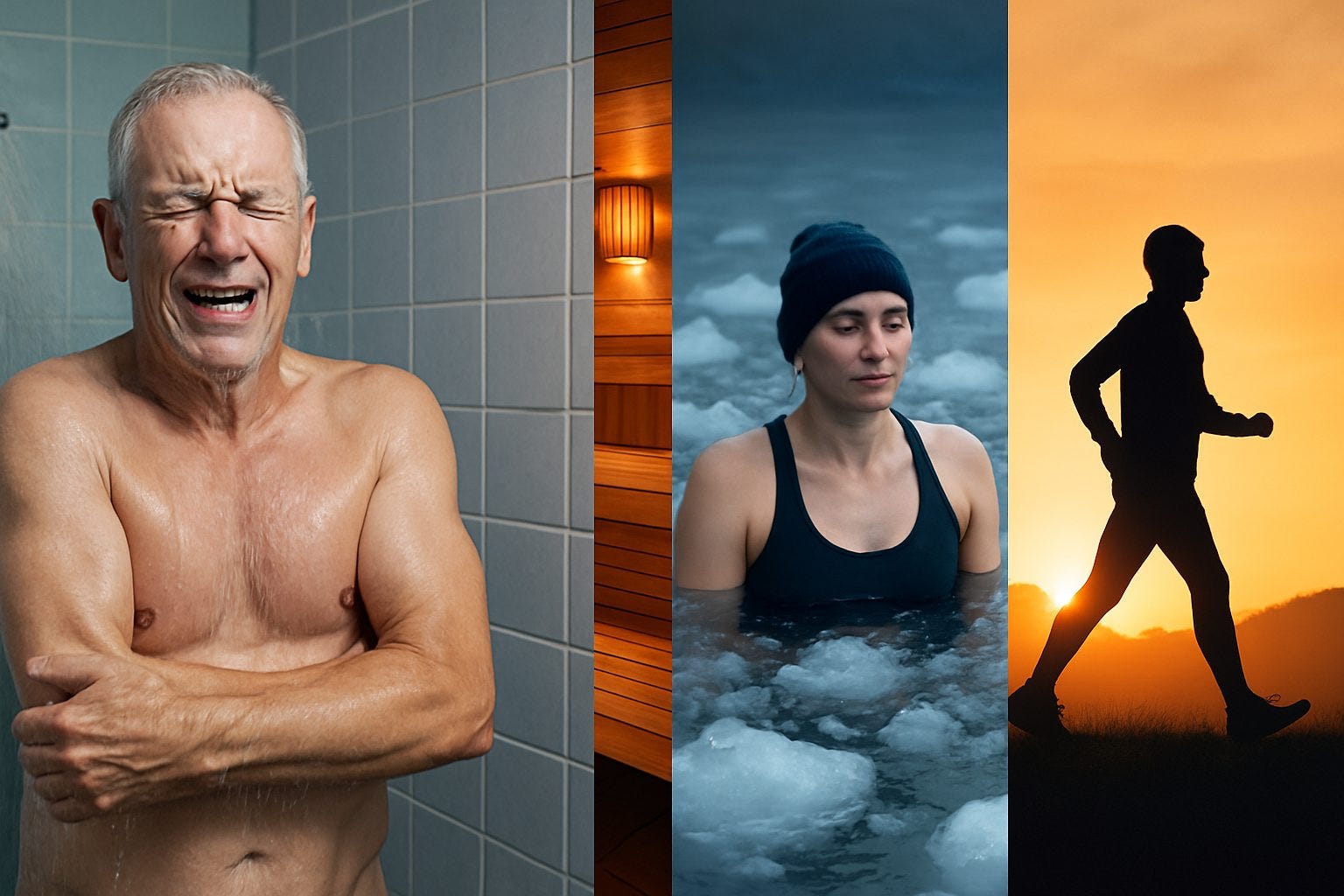
We all want to live longer. But more than that — we want those extra years to count: ripe with energy, clarity, and maybe a little mischievousness 🤫. And while conventional advice like “eat your veggies” or “go for a jog” works wonders, there’s a growing subculture of unexpected, even weird, longevity hacks that — believe it or not — carry real science behind them. Some are simple (cold showers, sauna), others make you raise an eyebrow (ice plunges, drastic temperature swings), yet each taps into deep biological levers that could help you stretch your healthspan. I sifted through recent research, science journals, and thoughtful long-reads to round up five strange, underrated longevity tricks. Spoiler: they won’t turn you into Methuselah — but they might help you outlast your smartphone habits.
Why “Weird” Might Actually Work
First: a bit of context. There’s a big movement these days — call it biohacking, call it longevity culture — that’s less about anti-wrinkle creams and more about optimizing how your body actually ages. biohacking often mixes modest lifestyle tweaks (like sleep and diet) with more radical experiments (like cold exposure or heat stress).
What connects many of these oddball hacks isn’t magic, but a concept scientists call “hormesis”: brief, controlled stress that (paradoxically) makes your body more resilient, efficient, and adaptive. Imagine it as a biological bootcamp — short bursts of discomfort followed by long-term resilience.
With that in mind, let’s dive in.
1. Cold Exposure — Showers, Plunges & Ice Baths
Yes, you read that right. Cold. As in “brrr.” And yes — science says it might matter more than your morning coffee.
When you expose your body to cold — via cold showers, ice baths, or cold-water immersion — weird but beneficial stuff happens. Your body activates brown adipose tissue (brown fat), which burns calories to generate heat rather than storing energy like regular white fat. This can improve metabolic health, boost insulin sensitivity, and help regulate blood sugar — all things that tend to go haywire as we age.
Cold exposure also seems to dial down chronic inflammation — one of the sneaky drivers behind heart disease, diabetes, neurodegeneration, and other age-related woes.
On top of that, there’s a mood and neurological bonus. Cold dives trigger a rush of stress hormones, endorphins, and other neurochemicals; early evidence suggests this might support brain health, help manage stress, and possibly improve cognitive resilience.
⚠️ But: proceed with caution. The science is still young and most studies are small-scale. Long-term effects remain unclear, especially for older adults or people with heart/respiratory conditions.
How to try it: Start modestly — finish a regular shower with 30–60 seconds of cold water. If that clicks, maybe once or twice a week try a cold plunge (10–15 °C / 50–59 °F), ideally under safe conditions.
2. Sauna (and the Old Trusty Heat + Cold Combo)
If cold exposure sounds harsh, heat can be just as kind — in its own sweaty, steamy way. Enter the sauna. The old-school Finnish trick is enjoying a modern makeover as a legit longevity tool.
Frequent sauna use (think 2–4 times per week) has been associated with lowered all-cause mortality and reduced risk of heart disease.
Here’s the science behind it: heat exposure boosts circulation, lowers blood pressure, improves vascular function — similar to light cardio training. In short bursts, your body gets a workout without needing a treadmill.
Then, if you pair sauna with a short cold plunge (the hot-then-cold combo), you get a dynamic workout on your vascular and metabolic systems — like a mini spa-version of interval training. Proponents suggest this heat-cold cycling could boost the nervous system, enhance metabolic flexibility, even support immune function.
Pro tip: You don’t have to build a home sauna. Many local gyms or spas offer affordable sessions. And if you’re doing cold plunges, always end warm: wrap up in towels, sip something warm, and listen to your body.
Also read: Cold Showers vs. Sauna: Which One Actually Makes You Live Longer?
3. Intermittent Fasting (With a Dash of Discipline)
No, I’m not talking about extreme starvation. More like giving your system a rhythm — a gentle fasting-eating cycle that nudges your body toward efficiency. That’s basically the essence of Intermittent fasting (IF).
Over the past few years, scientists have started thinking of “aging” not solely as years passed, but as “biological age” — how worn down our cells are. IF might help slow that process.
With IF, you give your body stretches without food. This seems to trigger cellular repair mechanisms, improve insulin sensitivity, reduce inflammation — all cornerstones of healthy aging. Some preliminary evidence suggests you might even lower your risk of diseases like diabetes and heart conditions.
How to start: A common approach is a 16:8 schedule — fasting for 16 hours, eating within an 8-hour window. Or try the 5:2: five regular eating days, two low-calorie days. But — and I can’t emphasize this enough — listen to your body. If you have health conditions, check with a professional first.
Related: 5 Fasting Mistakes That Age You Faster (and How To Fix Them)
4. Brisk Walking — Yes, Even That
Before you roll your eyes: walking is underrated. It doesn’t come with bells and whistles, but it’s one of the most powerful longevity tools that demands almost nothing.
A recent roundup of longevity advice called out exercise — even modest movement — as the top, most consistent thing science agrees on.
One study shows just 3,000–5,000 steps a day — nothing exotic — can help delay cognitive decline in older adults. Another links brisk walking (~30 minutes a day) with lower risks of heart disease, stroke, and several forms of cancer.
Walking strengthens the cardiovascular system, helps maintain healthy weight, stabilizes blood sugar — and unlike many “hacks,” it’s gentle, accessible, and low-risk.
How to make it a habit: Set a modest goal: maybe a 15-minute walk mid-afternoon, and another after dinner. Toss in a podcast or some music — it’s low commitment, high reward.
Related: Forget 10,000 Steps: This Is The Real Daily Movement Goal For Maximum Lifespan
5. Embracing the “Low-Tech” Lifestyle — Ditch the Supplements, Embrace Real Life
In an era obsessed with pills, powders, and fringe biotech, there’s something refreshingly rebellious about simple living. The truth is: many of the most effective longevity strategies don’t cost a dime. You don’t need NAD-boosters, exotic supplements, or “biohack” gear to extend your healthspan.
Balanced diet, regular movement, good sleep, stress management, moderate exposure to environmental stressors (cold/heat) — these low-tech fundamentals consistently show up in longevity research.
Sometimes, the most powerful hacks are the oldest ones.
Your real action plan: Treat your body like a machine worth maintaining. Regular movement. Nutrient-dense food. Sleep like you mean it. Dabble in sauna or cold showers if you’re curious. Let your lifestyle — not a supplement bottle — be your anti-aging playbook.
The Fine Print: Why “Weird” Won’t Cure Aging — But Can Wisely Slow It
Before you start doing ice plunges at dawn while skipping breakfast and walking barefoot in sub-zero temps — slow down. Most of these hacks are supported by emerging or moderate evidence — not rock-solid, long-term clinical trials. Scientists still debate key questions: how much, how often, for whom, and at what point does stress turn harmful?
And let’s not forget: aging is not one process. It’s a constellation of biological pathways — metabolism, inflammation, DNA damage, telomeres, mitochondrial function, mental health. No single trick “stops the clock.” But a thoughtful, multi-pronged lifestyle might stretch your “good years.”
Also read: How to Trick Your Body Into Aging Slower: 6 Daily Hacks That Actually Work
Final Thought: Longevity Is a Lifestyle, Not a Shortcut
So here’s the scoop: longevity isn’t about chasing magic pills. It’s about stacking small, science-backed habits. It’s about turning cold showers into daily rituals, embracing heat or nature, walking when you can, fasting now and then — and doing it consistently.
Dare I say — weird works.
Give one (or more) of these hacks a shot. See how your body reacts. Notice your mood, energy, recovery.